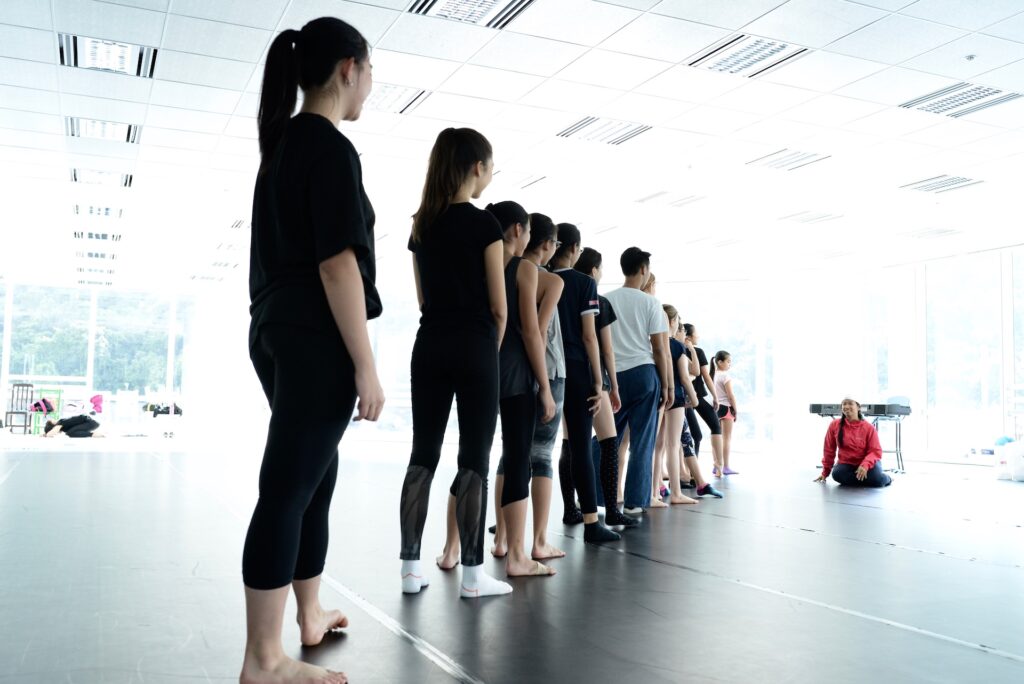
Movement is more than something we perform. It is one of the ways we perceive, respond, communicate, and learn.
My facilitation practice grows from dance and choreography, but it moves beyond technique. I work with movement as a way of developing physical awareness, rhythm, adaptability, expression, creative thinking, and a more responsive relationship with the body. The work changes according to the person or group in front of me.
With athletes, we might explore rhythm, coordination, stability, spatial awareness, and different ways of responding physically. With dancers and artists, movement can become a laboratory for perception, improvisation, choreographic thinking, and experimentation across disciplines. At other times, the work may bring the body into conversation with light, projection, sound, touch, sensors, technology, or environment, asking how movement changes what we notice and how we make.
What connects these approaches is curiosity: expanding the possibilities of the body rather than reducing movement to a single technique or outcome.
“…movement is the breath of life: it releases the power, or subtlety, of any form in repose – the promise of action.”
~ Joe Gitterman, Sculptor
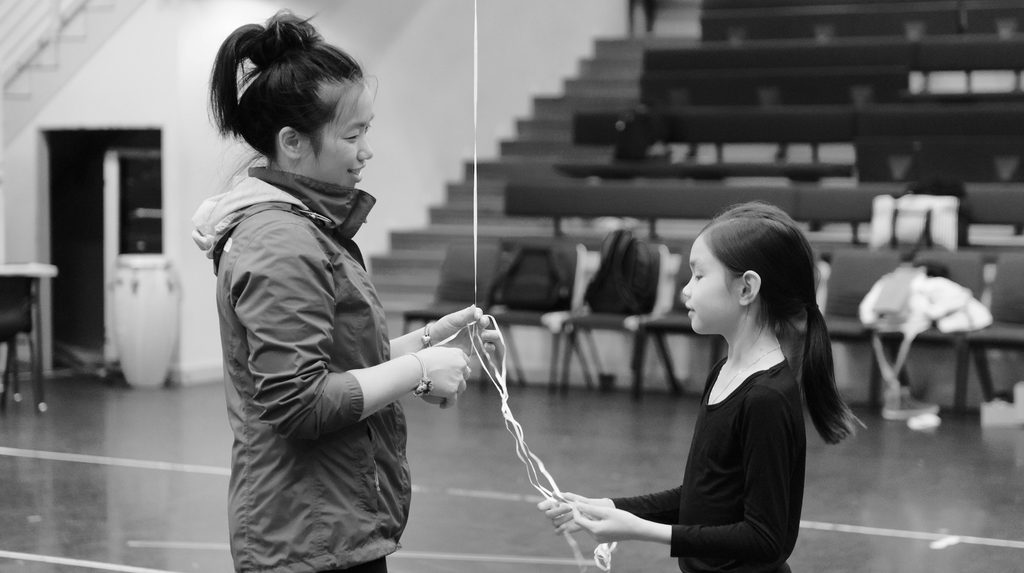
1:1 Movement Coaching
For athletes, dancers, and adults interested in developing a more adaptable, expressive, and aware relationship with movement.
Sessions are shaped around the individual. We may work with rhythm, coordination, body awareness, expression, movement range, improvisation, or creative approaches to physical challenges.
The work comes through a dance and choreographic lens.
It is creative and educational in nature.
It is not physiotherapy, rehabilitation, or medical treatment.
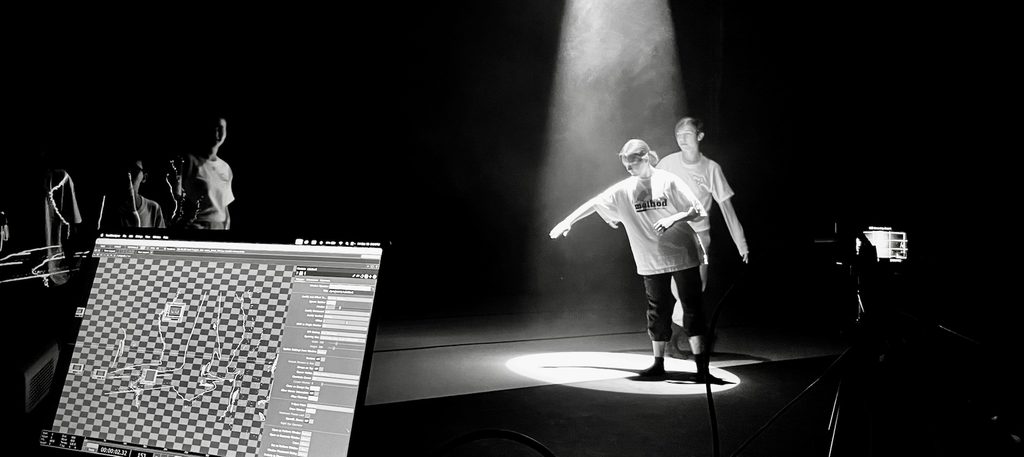
Groups & Workshops
Group work creates space to develop ideas together.
Workshops may use movement, improvisation, image, sound, and sensory attention to explore story, generate material, and shape shared creative responses.
Depending on the group, the process might begin with a question, a lived experience, an environment, or a piece of source material. From there, movement becomes a way to investigate, compose, and discover what the group wants to say.
I am especially interested in interdisciplinary settings where movement can meet visual art, sound, technology, projection, and design.